
From Playgrounds to Classrooms: How the Environment Is Impacting Our Children’s Future

Today, communities around the country are celebrating our planet. April is Earth Month. These events rightly raise awareness about environmental issues. But there’s a striking irony: while our children participate in these celebrations, their health is increasingly at risk from the very environmental changes Earth Month is meant to confront.
It’s time to look more closely at the challenges kids face and how we can support their health—not just in the future, but right now.
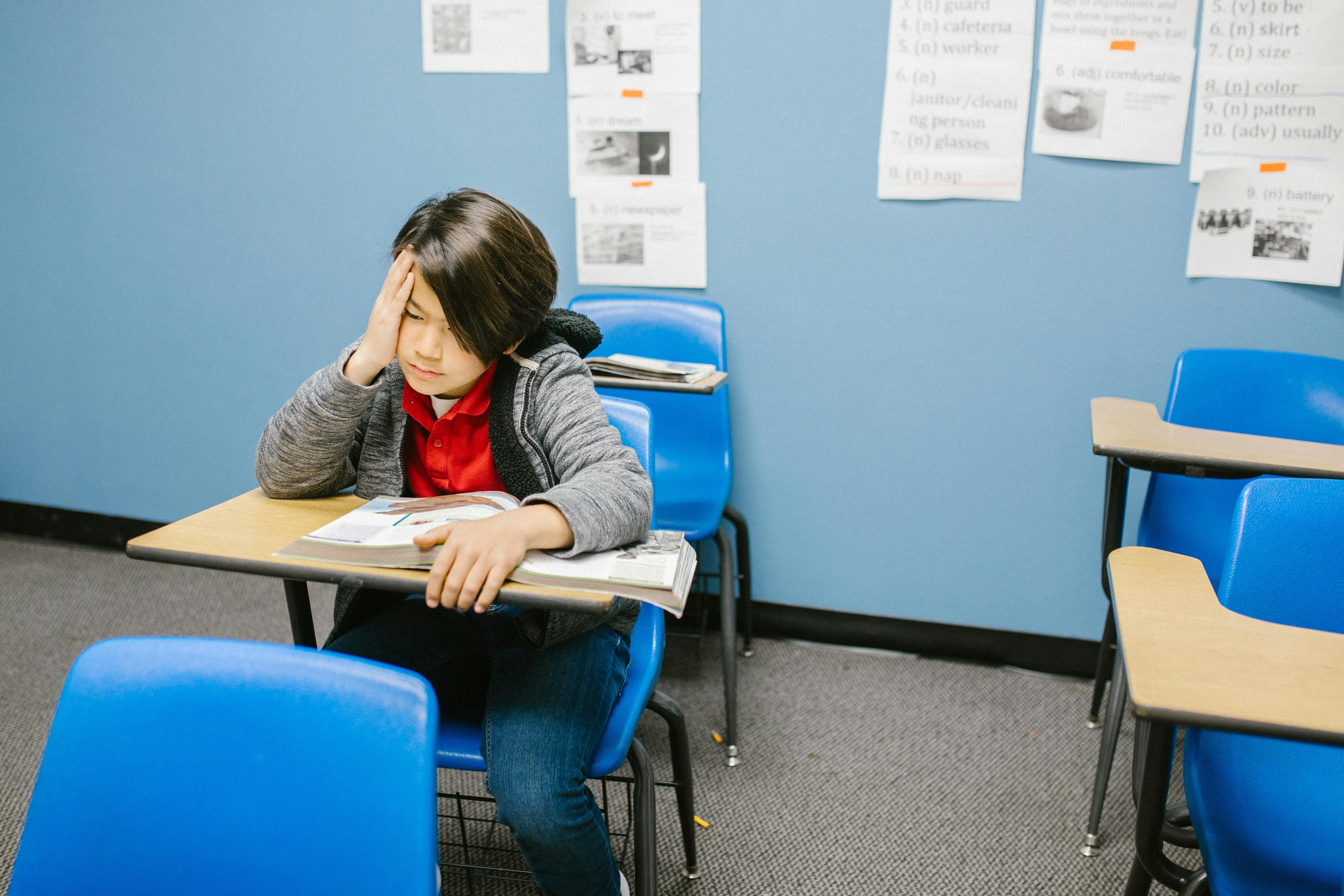
Our children live in a world where extreme weather—heat, flooding, and wildfire smoke—is becoming more common. As a doctor, a former senator on education committees in Washington, and a founder of SCORE (State Collaborative on Reforming Education), I’ve spent the past 15 years deeply engaged in studying K–12 education and student performance. Through that lens I have learned much about how unstable, more extreme weather patterns and hotter days are shaping children’s health, development, and academic success.
I also see this as a grandfather to nine grandchildren. And I find myself asking: if this is how disrupted children’s daily lives are today, what will their future look like if we don’t act responsibly to do what we can to better manage their environments now?
Let’s walk through the daily life of a child and consider how we, as parents (and grandparents!), caregivers, teachers, and citizens, can do more to protect their health.
When Weather Hits Close to Home … and the Playground
Children spend around 1,000 hours inside school buildings each year, with ideally 30-60 minutes of outdoor time each day. Weather touches all of that. It doesn’t have to make the national news to affect their wellbeing. How clean is the air they breathe all day in the classroom? How do the increasingly hotter temperatures over more and more days of the school year affect their capacity to learn.
My friend and colleague Dr. Lisa Patel, a pediatrician and executive director of the Medical Society Consortium on Climate & Health, shared a concern in a recent report: “As a parent, I worry about the air my daughter is breathing in her public school that has no HVAC system. What will it mean for her and her peers’ long-term health to be exposed to this year after year?”
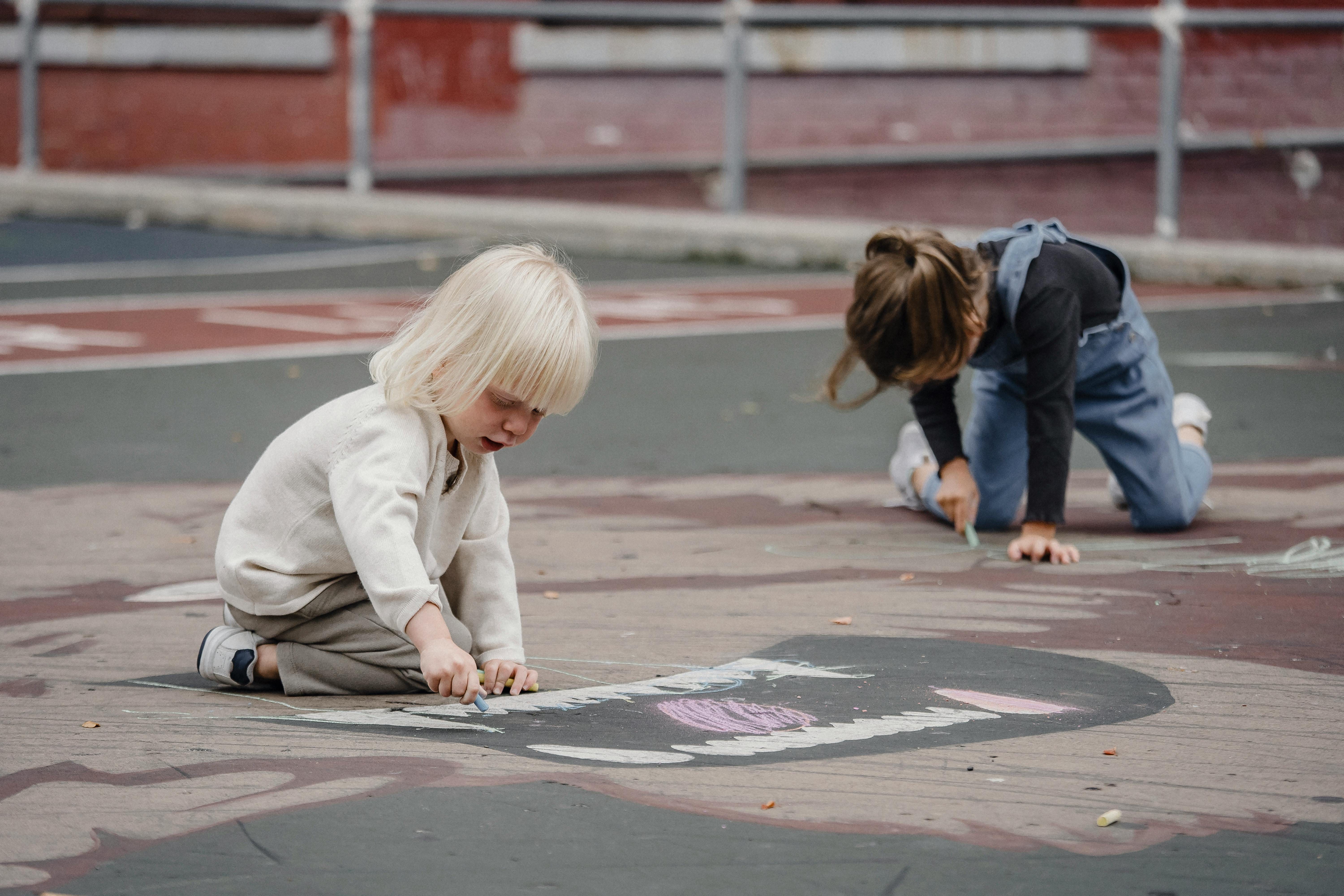
Inside classrooms, temperatures are rising. Some schools are projected to experience more than 30 days each year over 80°F by 2025—a 39% increase since 1970. Outside, community groups are working to redesign playgrounds, adding shade and green space because traditional blacktop surfaces are simply too hot. In urban areas especially, where concrete and asphalt intensify the heat, children face even greater risks. What about the playgrounds in your neighborhood?
We might think of playgrounds as places for physical activity, but they are also where children build emotional and social skills through play. If these spaces are unsafe or inaccessible, kids lose more than just recess.
How Kids’ Bodies Struggle When Weather Misbehaves
Children respond differently than adults. Children are much more vulnerable and more sensitive to extreme weather than adults. Their higher metabolism, greater surface-area-to-body-mass ratio, and still-developing organs make them more susceptible to heat, dehydration, allergens, and pollutants. Thus we must be especially attentive to their immediate environments throughout the day. And actively maximize those environments to achieve better learning conditions and better health.
And of course, all this applies outside the classroom. Dr. Patel recalled working during California’s wildfire season when even the neonatal intensive care unit (NICU) in her hospital was filled with the smell of smoke. “Our filtration systems couldn’t keep up,” she said. “Our tiniest patients were being exposed to harm.”
Yes, as parents we should expand our horizons and begin to ask about issues such as quality of air filtration systems and temperature control in the places our kids spend their days.
As a pulmonary surgeon, I emphasize the air our children breathe matters. From wildfire smoke to fossil fuel emissions, polluted air has been linked in children to increases in asthma, allergies, skin rashes, and even cancer. And as I write during this week of “generational” flash flooding in Tennessee, I am reminded that flooding from intense rainfall leads to mold and allergens that burden children’s immature immune systems.
Sleep, so essential to children’s growth and learning, is another casualty of heat. Numerous studies show that high nighttime temperatures disrupt children’s sleep quality. Poor sleep in childhood not only reduces focus and memory but as newer research over the past decade has shown can have serious long-term health impacts, including obesity.
Heat also affects children’s behavior. We know today that it dramatically impairs decision-making and emotional regulation—especially around anger. A higher incidence of acting out and trips to the principal’s office is the result. Classrooms where order is essential can become more chaotic, seriously undermining both learning and well-being.
When Physical Struggles Become Learning Struggles
All of this leads us back to the classroom and the immediate learning environment, where kids spend most of their days. Children exposed to more frequent extreme weather events—heat waves, wildfires, flooding—miss more school, perform worse academically, and struggle socially. Their foundation for life suffers irretrievably.
Cognitive performance drops when classroom temperatures soar. One study looked at 4.5 million New York City high school students and found that students taking tests on 90°F days scored significantly lower than those testing at 72°F. Another study found that math performance declines three times more than reading during heat waves. Even mild discomfort or distraction from heat can chip away at a child’s motivation and ability to focus. The data are clear. The prevention is obvious.
What Can We Do?
As a doctor, if I had a young patient in front of me today, I’d offer these practical, easy-to-achieve tips:
• Pack cooling foods: Whole foods, water-rich fruits and vegetables, and limited sugar can help regulate a child’s body in hot environments.
• Stay hydrated: Invest in a fun, reusable water bottle to keep kids sipping all day long.
• Know heat illness signs: Early symptoms like rash, headache, and dizziness should prompt quick action before things get serious.
• Protect sleep: Keep bedrooms between 68-72°F when possible and check in on how well your kids are sleeping.
As a grandfather, I also think about what I share with my own children as they raise their kids:
• Get involved with your school and sports teams: Understand how they handle hot days and outdoor time. Provide sun hats, breathable clothing, and prepare children to speak up when they feel unwell.
• Be a partner to teachers: Consider offering fans, popsicles, or other creative supports on hot days. And advocate for recess at cooler times.
• Spend time in nature. We know nature brings down cortisol (stress hormone) levels, calms the mind, reduces inflammation and maximizes the conditions for learning.
There is more we can and should do. I’ll write more in the future about the broader systemic actions we can take. But for today, let’s start with the kids in our lives.
They deserve to live, learn, and play in safe and healthy environments. It’s our responsibility to ensure it. That means not only responding to today’s challenges but also investing in a livable planet for tomorrow. Let’s seize this Earth Month as a moment not just of awareness, but of action for our kids and their future.
Sources:
[1] https://www.epa.gov/climate-indicators/weather-climate
[2] https://www.sciencedirect.com/science/article/pii/S2773049222000290#bib0001
[3]https://static1.squarespace.com/static/635dbc6808cab54e82a25127/t/640f57089a49a966b5803dcb/1678726934033/Climate-Resilient+California+Schools
[4] https://coolingcrisis.org/uploads/media/HotterDaysHigherCosts-CCI-September2021.pdf
[5] https://pmc.ncbi.nlm.nih.gov/articles/PMC9819831/
[6] https://journals.plos.org/plosmedicine/article?id=10.1371/journal.pmed.1002627
[7] https://ysph.yale.edu/news-article/ysph-study-reveals-the-human-health-costs-of-exposure-to-floods/
[8]https://pmc.ncbi.nlm.nih.gov/articles/PMC6351950/#:~:text=%5B12%5D%20summarized%20that%20high%20temperatures,Zhu%20et%20al.
[9] https://www.edweek.org/leadership/the-school-year-is-getting-hotter-how-does-heat-affect-student-learning-and-well-being/2022/09
[10] https://journals.plos.org/plosmedicine/article?id=10.1371/journal.pmed.1002605
[11]https://scholar.harvard.edu/files/jisungpark/files/temperature_test_scores_and_human_capital_production_-j_park-_2-26-17.pdf
[12] https://www.nature.com/articles/s41562-020-00959-9
Starting healthy habits when young is so important. Thank you for caring about our children and our environment. Teachers and respected adults can do so much to add new perspectives for a child to ruminate upon. Thinking beyond one's own little bubble is critical. Happy Earth Month!