
A Conservative Case for Investing in Tennessee’s Wildlife

As a physician, I’ve spent my career focused on prevention. Long before someone ends up in a hospital bed, their health is shaped by the world around them. In Tennessee, few influences are more powerful than the outdoors — and the fish and wildlife that make those places come alive.
Our public lands and waters aren’t luxuries. They’re where families walk, paddle, fish, and hunt. They’re where stress levels drop, physical activity rises, and mental health quietly improves. These benefits touch communities across the state, strengthening public health in ways that rarely show up on a medical bill but matter just the same.
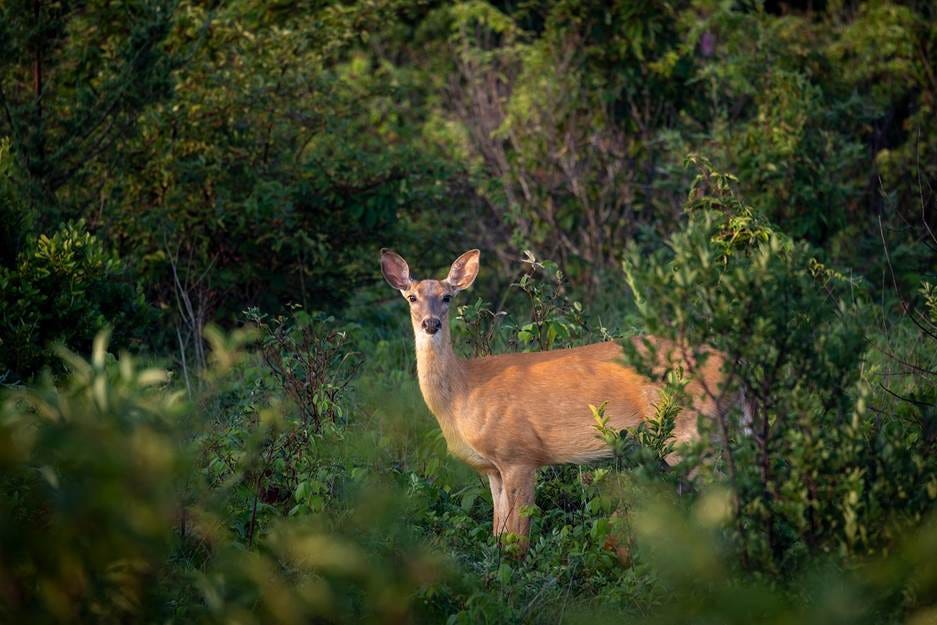
They also matter economically. Outdoor recreation and wildlife-related activities generate billions of dollars in income in Tennessee each year, support more than 200,000 jobs, and return nearly $2 billion annually in state and local tax revenue. From small-town outfitters to hospitality and manufacturing, a healthy environment helps power a healthy economy.
But the way we fund wildlife management hasn’t kept up with how broadly these resources are used.
Today, hunters and anglers provide about 81% of wildlife management funding through license fees and federal excise taxes. Sportsmen have long led the way in conservation, and their commitment remains strong. Still, asking a shrinking share of users to carry nearly the entire financial load for resources enjoyed by millions of Tennesseans in a growing state is neither fair nor sustainable.
This imbalance also creates pressure to raise license fees, which risks discouraging participation in outdoor traditions that promote health, stewardship, and connection to the land.
Meanwhile, the Tennessee Wildlife Resources Agency faces rising costs. Inflation has driven up prices for fuel, vehicles, equipment, and maintenance. On top of that, the agency has absorbed more than $18.5 million in mandated expenses in recent years without receiving additional funding — costs that other state departments have had covered through the general fund.
A dedicated stream of general fund support would offer a fiscally responsible solution. It would stabilize wildlife management, reduce pressure for repeated fee increases, and better reflect the reality that healthy lands and waters benefit all Tennesseans.
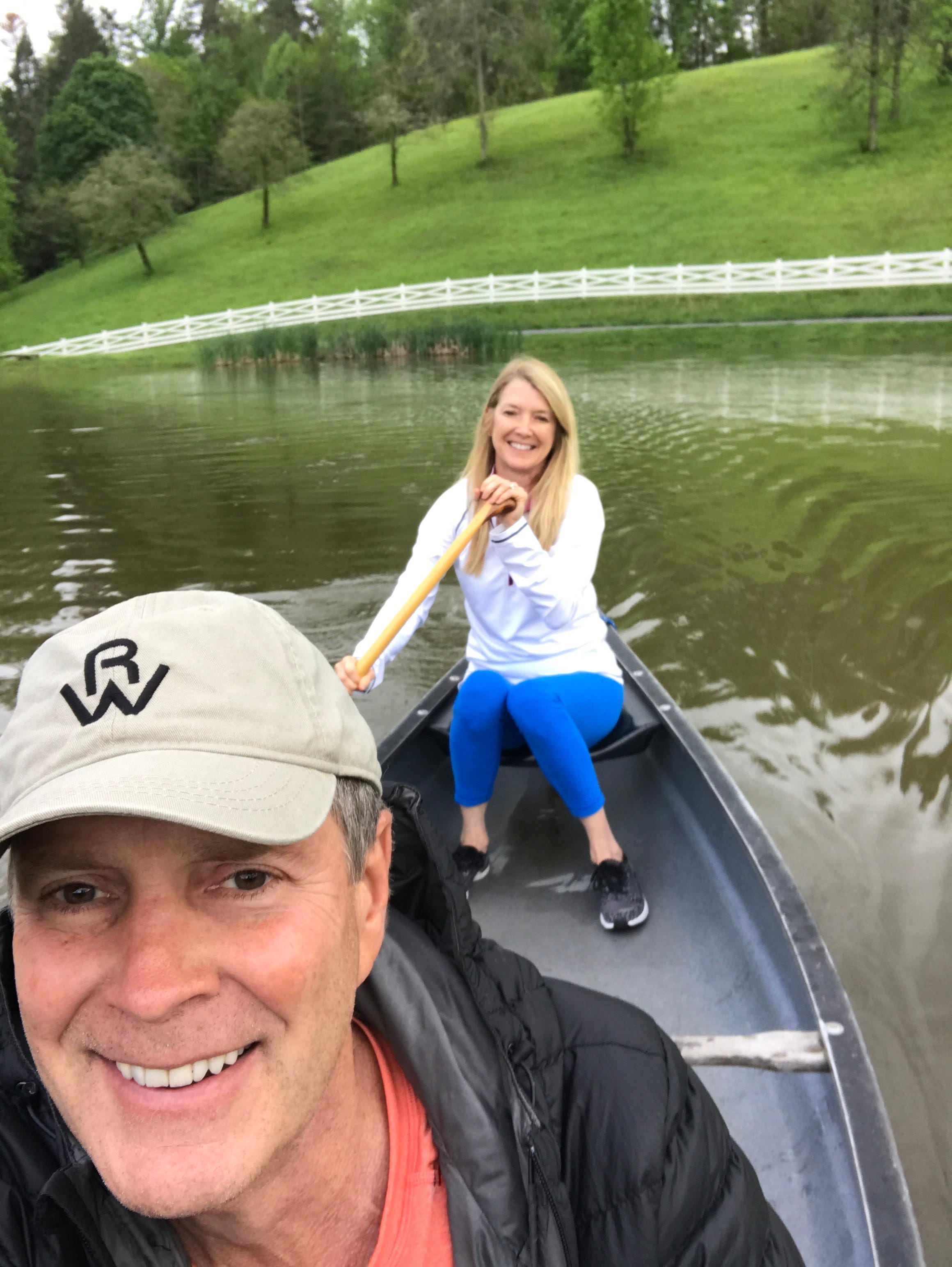
Tennessee is not alone in dealing with the challenges of declining participation in licensed hunting and fishing, rising costs for land and wildlife management, and changing public expectations. Most state wildlife agencies rely primarily on these types of fees, and many states are exploring ways to diversify support.
From a public health perspective, this is still about prevention. Healthy land supports healthy people. Updating how we fund wildlife stewardship isn’t just sound conservation policy — it’s a practical investment in Tennessee’s long-term strength and resilience.
I went to high school in Walland TN. It’s so beautiful there!
I agree with you. Love that picture too!